 Available in US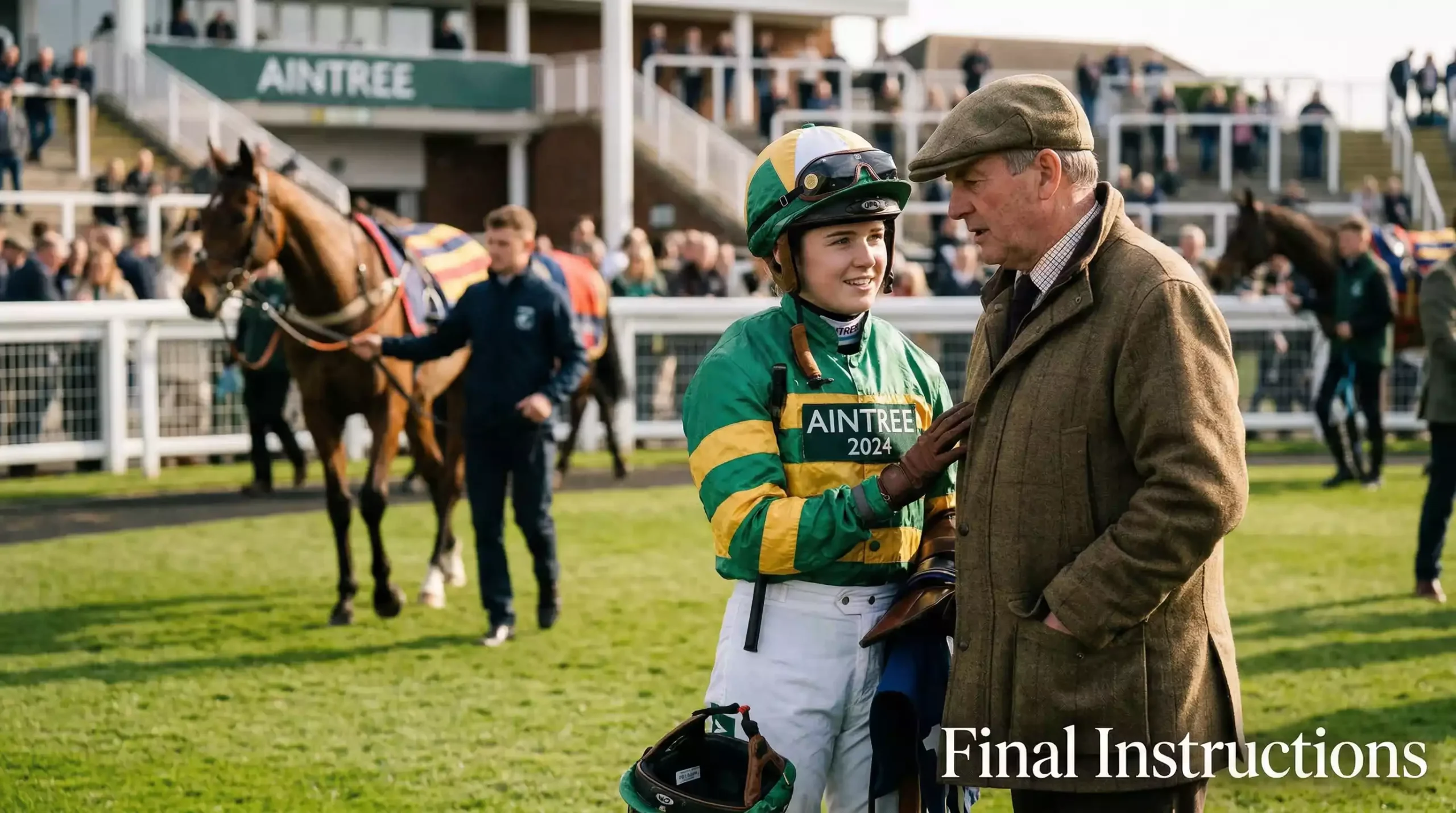
A Grand National horse does not arrive at Aintree by accident. Behind every runner is a trainer who has spent months preparing it for the specific demands of four miles over those fences, and a jockey booked to execute a plan drawn up well before the weights were even announced. The people behind the horse matter, and their track records at Aintree matter more than most casual punters realise. Grand National Jockeys and Trainers — More on this topic at grand national place a bet.
Trainer-jockey connections are professional partnerships built on results. In the Grand National, certain partnerships have demonstrated a consistent ability to produce runners that complete the course, hit the places, or win outright. Knowing which connections to trust is one of the quieter edges available to anyone studying the race.
Trainer Records at the Grand National
The Grand National has been dominated by a relatively small number of training operations in recent years. Irish yards in particular have supplied a disproportionate share of winners and placed horses, reflecting the strength of the Irish National Hunt breeding and training pipeline.
Willie Mullins, the dominant figure in Irish jump racing, sent the 2025 Grand National winner Nick Rockett to Aintree, ridden by his son Patrick Mullins. The Mullins operation targets the biggest races with a depth of quality that few other yards match. When Mullins enters multiple horses in the Grand National, the market pays close attention to which one gets the stable jockey and which is the second or third string. That internal hierarchy often reveals more about a horse’s chance than the public form book.
Gordon Elliott has built his training career around the Grand National and its satellite races. Tiger Roll’s back-to-back victories in 2018 and 2019 cemented Elliott’s reputation as a trainer who understands Aintree’s specific demands. Elliott runners tend to be prepared with a clearly mapped campaign: key trials, specific fitness targets, and a Grand National entry that is intentional rather than speculative.
British trainers compete from a smaller base. The number of horses in training across Britain fell to 21,728 in 2025, a decline of 2.3% from the previous year according to the BHA’s annual report. That contraction puts additional pressure on domestic trainers to be selective, making every Grand National entry from a British yard a considered decision. Lucinda Russell’s training of Corach Rambler to win in 2023 demonstrated that a smaller operation with the right horse can compete with the Irish powerhouses.
The Jockey Factor
The Grand National jockey’s job is unlike any other ride in racing. The distance is extreme. The fences are unique. The field size means tactical positioning matters as much as ability. A jockey who has ridden the course multiple times carries an advantage that talent alone cannot replicate on a first visit.
The early stages of a Grand National require a particular discipline that not all jockeys possess. With 34 runners converging on the first fence, the temptation is to rush forward and secure a prominent position. But experienced Aintree jockeys know that the race is not won in the first mile — it is lost there. Jumping the first few fences cleanly from a midfield position, avoiding the scrimmaging at the front, and settling into a rhythm that can be sustained for nine minutes is the foundation of a successful Grand National ride.
Rachael Blackmore’s victory on Minella Times in 2021 illustrated this perfectly. Her ability to settle the horse, conserve energy through the middle miles, and produce a perfectly timed challenge on the run-in was a masterclass in Grand National jockeyship. Patience, balance, and the nerve to sit quietly while fences flash past at 30 miles per hour are the currency at Aintree.
Jockey experience at the course correlates strongly with completion rates. A rider who has navigated Becher’s Brook, the Canal Turn, and Valentine’s in a previous Grand National or in the Topham Chase understands the angles, the landing areas, and the points where mistakes are most likely. Repeat Aintree jockeys outperform first-timers when measured by completion rate and place frequency. The difference is not dramatic enough to override other selection factors, but it is real and consistent.
Key Connections in the Current Era
Several trainer-jockey partnerships are worth monitoring for 2026. The Mullins yard will command market attention as always. The jockey allocation typically becomes clear in Grand National week and can trigger significant odds movements. A Mullins runner with the stable’s first-choice jockey aboard is a fundamentally different proposition from the same trainer’s third-string entry with a less experienced rider, and the odds should reflect that distinction — though they do not always do so quickly enough.
Elliott’s operation tends to have two or three genuine contenders, often with different profiles: one proven Aintree horse and one or two improvers aimed at the race for the first time. The experienced runner usually gets the more seasoned jockey, and the gap in Aintree-specific knowledge between a veteran National rider and a promising but unproven one is significant over 30 fences.
Among British trainers, the operations that have invested specifically in National Hunt staying chasers produce the most credible Grand National contenders. A trainer whose primary focus is two-mile hurdlers is unlikely to have the staying talent the Grand National demands.
British horseracing’s total economic contribution reaches £4.1 billion annually, supporting around 85,000 jobs, as documented in the BHA’s submissions to government. The trainers and jockeys who contest the Grand National are not just sportspeople; they are custodians of a commercial ecosystem where a single race shifts millions in betting turnover and media revenue.
How Connections Should Influence Your Bet
When studying the Grand National field, note the trainer and jockey for each runner and ask two questions. First, does the trainer have a record of placing or winning at Aintree? A trainer who consistently saddles Grand National finishers understands the preparation required. Second, has the jockey ridden over the Grand National fences before? A jockey with Aintree experience brings course knowledge that cannot be replicated in a briefing room. See also What Time Is the Grand National 2026? Schedule and TV Guide.
When two horses look similar on form, weight, and age, the one with the more experienced Aintree jockey has a tangible advantage. The connections column on the racecard is not decoration — it is information. The BHA has stated that “the racing industry has direct revenues in excess of £1.47 billion and makes a total annual contribution to the UK economy of £4.1 billion.” Those revenues are generated by the horses, but directed by the people who train and ride them. In the Grand National, those people are variables worth following.
