
 Available in US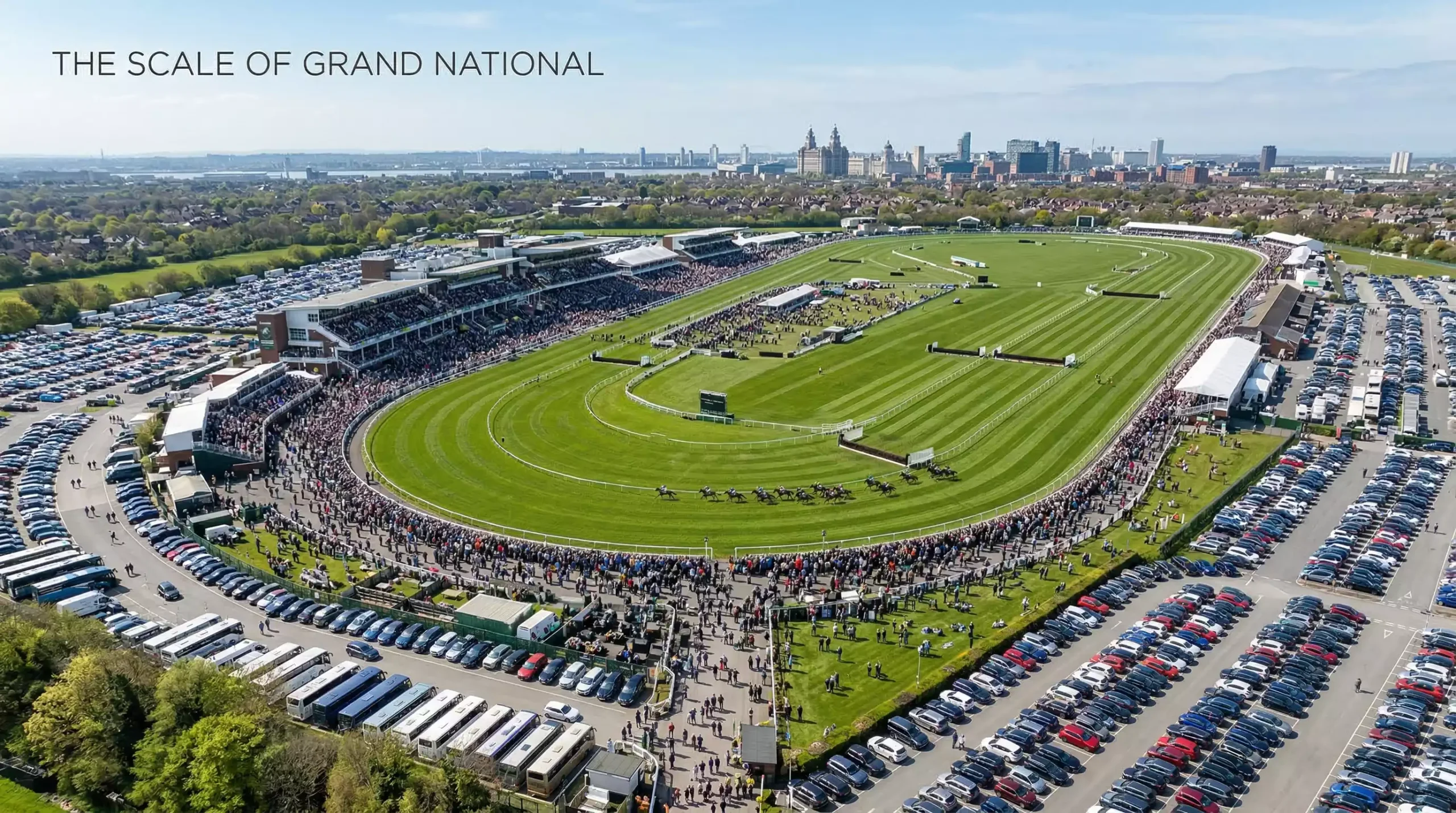
The Grand National is more than just a race. It is a three-day economic event that pumps tens of millions of pounds into Liverpool’s economy, generates substantial tax revenue for the Treasury, and sustains a financial ecosystem that stretches from Aintree’s gates to breeding farms in Ireland and training yards across Britain. The race exists at the intersection of sport, entertainment, tourism, and gambling — and the economics of that intersection are considerably larger than most people assume when they place a £5 each-way bet on a Saturday afternoon. The Economics of Grand National Day — More on this topic at grand national place a bet.
Understanding the financial scale gives context to everything else about the Grand National: why the race is structured as it is, why bookmakers compete so fiercely for your custom, and why regulatory decisions about gambling taxation have implications far beyond the betting industry itself.
The Local Impact on Liverpool
A 2023 study by Liverpool Business School estimated that the Grand National had a total economic impact of over £60 million on the local economy. That figure captures direct spending — tickets, hospitality, food and drink at Aintree — and the induced spending that flows through Liverpool’s hotels, restaurants, bars, taxis, and retail outlets during the three-day festival.
Over 150,000 racegoers attend the Aintree Festival across its three days. Many travel from outside Merseyside, booking accommodation and spending in the city centre before and after the racing. Ladies Day on Friday, which has become as much a fashion event as a sporting one, draws visitors whose primary motivation is social rather than equine — but whose spending in Liverpool’s hospitality sector is no less real.
The employment effect is substantial. Aintree Racecourse itself employs hundreds of permanent and seasonal staff. The festival requires additional security, catering, hospitality, and transport workers whose incomes for the week depend directly on the event taking place. The ripple effect extends to local businesses that see a measurable uplift in the week of the Grand National — from the obvious beneficiaries like hotels and restaurants to less obvious ones like florists, hairdressers, and taxi firms.
This local impact is concentrated and visible. Liverpool’s economy benefits from the Grand National in a way that is tangible to anyone who visits the city during festival week. The streets around Aintree are busier, the hotels are full, and the restaurant bookings extend well beyond the usual Saturday night demand.
The Industry’s Contribution to the National Economy
Beyond Liverpool, the Grand National sits within a horseracing industry that makes a significant contribution to the UK economy at the national level. An economic impact assessment by EY, commissioned by the Betting and Gaming Council, found that BGC members support 110,000 jobs across the UK, generate £4.2 billion in tax contributions, and add £7.1 billion in gross value to the economy. The betting industry’s funding of horseracing alone amounts to approximately £350 million annually through a combination of sponsorship, media rights payments, and the statutory betting levy.
Horseracing is Britain’s second-largest spectator sport after football, with over 5 million people attending racecourses in 2025. The sport’s infrastructure — 59 racecourses, over 1,400 annual fixtures, 21,000-plus horses in training — represents a scale of operation that depends on a continuous flow of revenue from betting, attendance, and broadcasting. The Grand National is the shop window for that entire operation: the event that brings racing to a national audience, drives the highest single-day betting turnover of the year, and reminds the public that horse racing exists outside of occasional headlines.
Tax Revenue and the Betting Levy
The Grand National generates direct fiscal contributions on multiple levels. The race itself is expected to produce approximately £3 million in tax revenue for the Treasury through remote gambling duty and general betting duty. An additional £2 million flows through the horserace betting levy, which is collected by the Horserace Betting Levy Board and distributed to prize money, horse welfare, and veterinary research.
These figures relate to the single race. Across the full Aintree Festival, the tax and levy contributions are larger. And across the full racing year, the betting levy yielded £109 million in 2024/25 — the highest since the levy was reformed in 2017 to include overseas operators. The Treasury’s gambling duty receipts from all betting and gaming totalled £2.45 billion in the same financial year.
The European Commission, in its 2017 State Aid clearance for the reformed levy, noted that “in the UK, racing and betting have a unique interdependency that goes back over 200 years. A day at the races includes, for most participants, betting on horse races as well.” That interdependency is the economic engine of the Grand National. Without betting, there would be no levy. Without the levy, prize money would fall. Without prize money, owners would have less incentive to keep horses in training. Without horses in training, the race would not exist in its current form. The chain is direct, and every link depends on the one before it.
The Future Outlook
The economics of the Grand National face headwinds from several directions. Betting turnover on British racing has fallen by more than 12% over the past two years, driven by affordability checks, the migration of betting spend to other products, and the broader cost-of-living pressures on disposable income. The government’s proposed harmonisation of gambling taxes could increase the burden on operators, potentially reducing the margin available for promotional offers, bookmaker-funded prize money, and levy contributions.
Against those headwinds, the Grand National itself remains remarkably resilient. The 2025 race attracted an estimated £250 million in wagers despite the broader market decline. Attendance at Aintree has held steady or grown. Television viewing figures remain among the highest for any sporting event on the British calendar. The race’s cultural position — the nation’s punt, the one bet that millions of non-gamblers place each year — provides a floor of engagement that other racing fixtures cannot match. See also Grand National Betting Glossary.
The long-term economic health of the Grand National depends on maintaining the balance between regulation that protects consumers, taxation that funds public services, and a betting market that generates the revenue to sustain the sport. That balance is contested, and the policy decisions made in the next few years will determine whether the economics of Grand National day continue to grow or begin to contract. What is not in question is the scale of what currently exists: a single afternoon of racing that supports thousands of jobs, generates millions in tax, and drives an economic impact measured in the tens of millions for a single city. For a horse race, that is quite something.
