 Available in US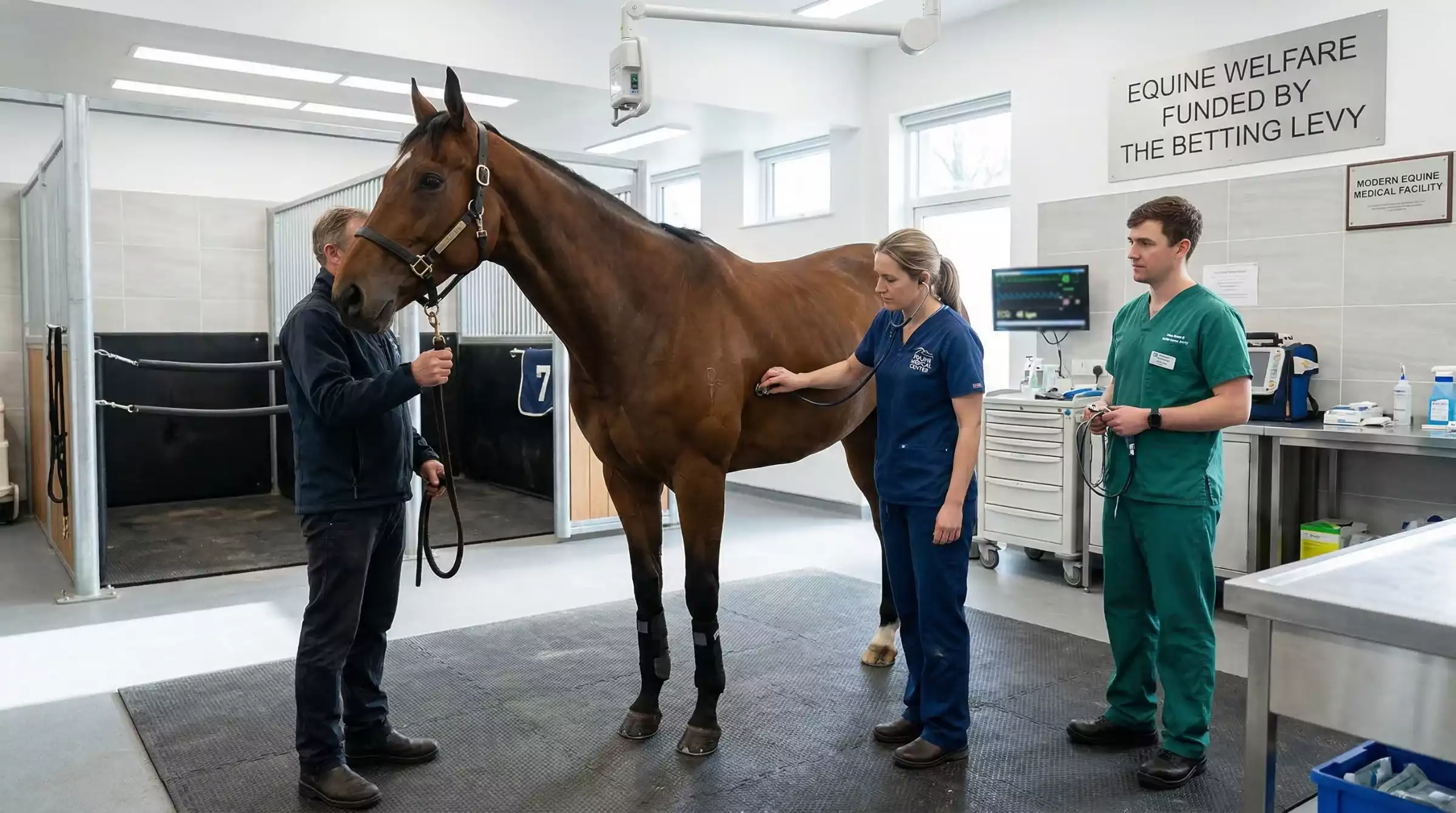
Every bet you place on a British horse race contributes to the sport itself. Not metaphorically — literally. The horserace betting levy is a statutory charge on bookmakers’ gross gambling yield from British racing, collected by the Horserace Betting Levy Board and distributed back into the industry. It funds prize money, horse welfare, veterinary science, and the integrity systems that keep the sport honest. When you back a horse in the Grand National, a fraction of the bookmaker’s margin on your bet flows directly into the ecosystem that produced the race you are watching. How the Horserace Betting Levy Funds British Racing — More on this topic at grand national place a bet.
Most punters have no idea this mechanism exists. Understanding it does not change your bet, but it does change your perspective on what betting on British racing actually supports.
What the Levy Is and How It Works
The horserace betting levy was established by the Betting Levy Act 1961 and has been reformed several times since. In its current form, following the 2017 reforms that extended its scope to include overseas operators serving British customers, the levy is charged at a flat rate of 10% on the gross gambling yield that licensed bookmakers generate from bets on British horseracing.
Gross gambling yield — GGY — is the amount retained by the bookmaker after paying out all winnings. It is not turnover (the total amount staked) and it is not profit (GGY minus operating costs). It is the margin between what punters stake and what they receive back. On a Grand National where £250 million is wagered and the bookmakers retain, say, 12% as margin, the GGY on that single race is approximately £30 million. Ten percent of that — £3 million — goes to the levy.
For the financial year ending March 2025, the levy yielded £109 million — the highest figure since the 2017 reforms took effect. This was achieved despite a decline in overall betting turnover on British racing, because bookmaker margins have widened over the same period. The levy is calculated on GGY, not turnover, which means it can rise even as the total amount staked by punters falls, provided the bookmakers retain a larger share of each pound wagered.
The HBLB’s Annual Report and Accounts for 2024-25 detail the full breakdown of levy income and expenditure. The report is publicly available and provides a level of transparency about racing’s finances that few other sports can match.
Where the Levy Money Goes
The levy is distributed across three statutory purposes defined in the original legislation: the improvement of horseracing, the advancement of veterinary science and education, and the improvement of breeds of horses.
In practice, the largest share — approximately 90% — goes toward the improvement of horseracing, which primarily means prize money. The HBLB contributes tens of millions of pounds annually to the prize funds at British racecourses, supplementing the money put in by racecourses themselves, sponsors, and owners. Without levy funding, prize money at the majority of British race meetings would fall significantly, reducing the financial incentive for owners to keep horses in training and for trainers to run them.
The remaining 10% funds horse welfare initiatives, veterinary research, and education programmes. This includes contributions to equine injury surveillance, post-racing retraining schemes, and the development of safer racing surfaces and fence designs. The safety improvements at Aintree — the modifications to Becher’s Brook, the reduction of the field from 40 to 34 runners — were informed by research partly funded through the levy.
British horseracing contributes an estimated £4.1 billion to the UK economy annually, with direct revenues exceeding £1.47 billion and 85,000 jobs supported across the industry. The levy is the financial bridge between the betting market that generates a significant share of that economic activity and the sport that provides the product bettors consume. Without it, the loop would be broken: punters would bet on racing, bookmakers would profit, and none of that money would return to the racecourses, the trainers, or the horses.
The Levy Under Pressure
The levy’s record yield of £109 million in 2024/25 masks an underlying tension. Betting turnover on British racing has been declining for several years. Alan Delmonte, Chief Executive of the Horserace Betting Levy Board, has observed that “there has been a material change in the industry environment with turnover down by around 20% in two years.” The immediate cause is a combination of regulatory changes — particularly affordability checks that have reduced the activity of higher-staking customers — and the broader migration of betting spend toward other sports and products, notably online casino and football.
The levy has been partly insulated from the turnover decline because bookmaker margins have increased. Operators have withdrawn some punter-friendly concessions — best odds guaranteed, extra places, generous free bet offers — and the net effect is that they retain a larger proportion of each pound staked. Since the levy is calculated on GGY rather than turnover, rising margins have compensated for falling volume. But this is not a sustainable equilibrium. If turnover continues to decline, margins cannot expand indefinitely without driving away the remaining customers.
The government’s ongoing review of gambling taxation adds further uncertainty. Proposals to harmonise remote gambling duties could increase the tax burden on betting operators, potentially squeezing the margin available for levy payments. The racing industry has argued publicly that any tax increase on horse racing betting would be disproportionately harmful to a sport that relies on the levy for a substantial portion of its funding.
What the Levy Means for Grand National Punters
As a practical matter, the levy does not affect your bet. You do not pay it. The bookmaker does, out of the margin they earn on your wager. Your odds, your returns, and your each-way terms are not reduced by the levy — they are set independently by the bookmaker’s pricing team.
But there is a broader point worth acknowledging. When you bet on the Grand National with a Gambling Commission-licensed bookmaker, your activity supports a regulated ecosystem. The levy funds prize money that attracts the best horses. It funds welfare standards that keep those horses safe. It funds the integrity operations that ensure the race is fair. The Grand National you watch on a Saturday afternoon in April exists, in part, because millions of bets like yours generate the revenue that sustains it. See also Responsible Gambling at the Grand National.
Betting with an unlicensed operator — an offshore site or an unregulated app — removes your bet from that ecosystem entirely. No levy is paid. No tax reaches the Treasury. No contribution flows back to racing. The product you consume when you watch the Grand National was built by a funding model that depends on regulated betting. Participating in it through legitimate channels is not just legally required — it is the mechanism that keeps the sport alive.
