
 Available in US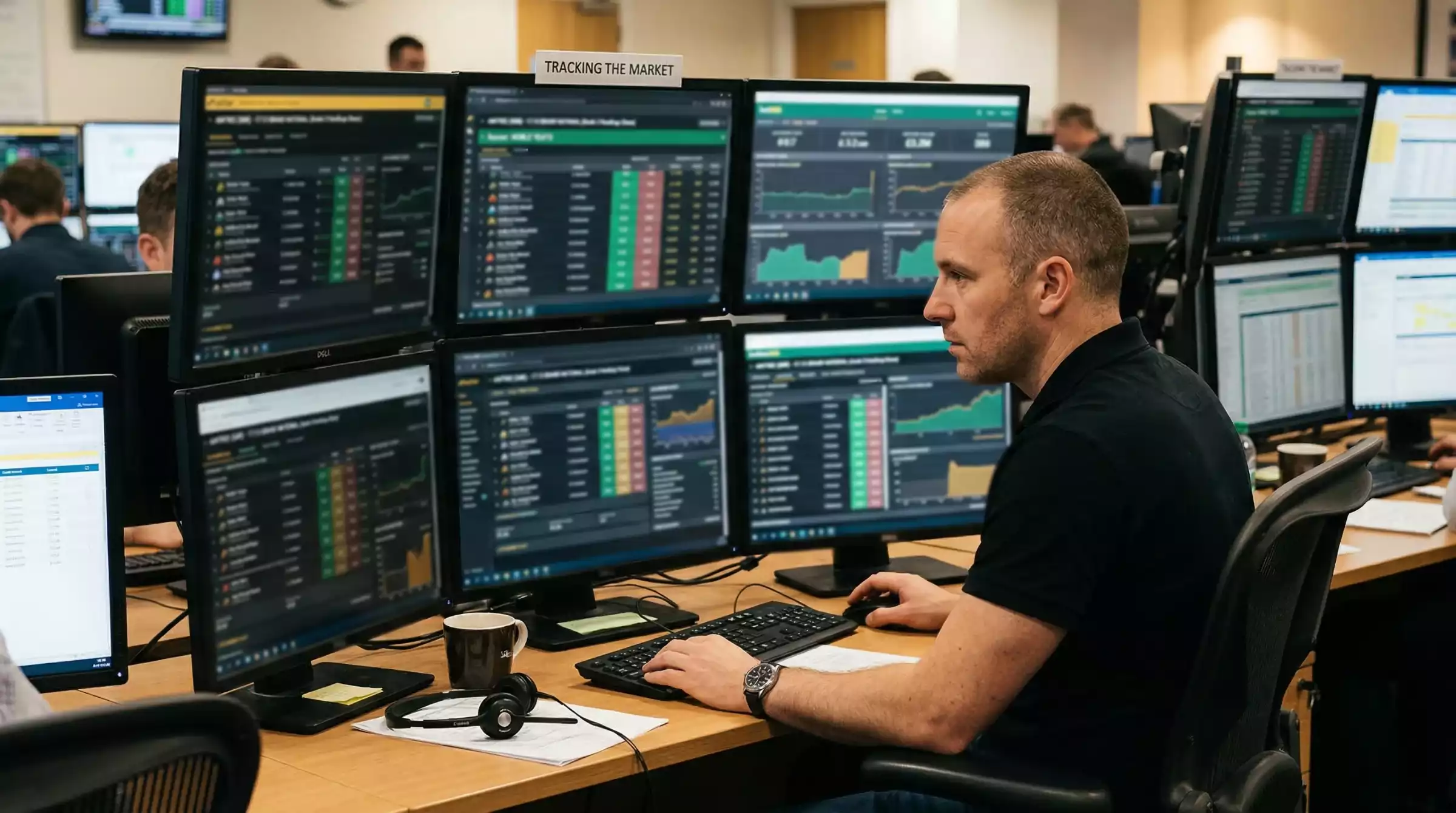
Grand National odds are not static. They move constantly from the moment the ante-post market opens until the starter calls the field to order at 4pm on race day. A horse that is 25/1 in January might be 14/1 by March and 10/1 by the morning of the race — or it might drift to 40/1 as trial form disappoints and the market loses confidence. Understanding why odds move, what the movements signal, and how to read the market as a source of information rather than just a price list is one of the more useful skills a Grand National punter can develop. How the Grand National Betting Market Moves Before the Race — More on this topic at grand national place a bet.
Follow the money. That is the governing principle. Every price change reflects a change in the balance of opinion, and in a market where hundreds of millions of pounds are at stake, those opinions carry weight.
Why Grand National Odds Move
Odds are set by bookmakers to balance their liability across the field while maintaining a margin. When money flows disproportionately onto one horse, the bookmaker shortens its odds to reduce exposure and lengthens the odds of less-backed runners to attract money elsewhere. This is the fundamental mechanism: supply and demand expressed through price.
For the Grand National, several specific triggers cause odds to move. Trial race results are the most obvious — a convincing win in the Bobbyjo Chase, the Midlands National, or a key Cheltenham race will shorten a horse’s Grand National price within hours. Conversely, a poor trial run or an injury scare will cause the price to drift, sometimes dramatically.
Jockey bookings move the market, particularly when a high-profile rider commits to a specific horse. The announcement that a leading jockey has chosen one horse over another signals confidence from the connections, and the market responds accordingly. The same logic applies to trainer comments — a positive interview about a horse’s wellbeing and preparation can trim its price, while equivocation about fitness or ground preferences can push it out.
The sheer volume of the Grand National betting market amplifies these movements. Remote horse racing betting generated £766.7 million in gross gambling yield during the 2024/25 financial year according to the Gambling Commission, with the Grand National accounting for a disproportionate slice. When that much money is in play, even modest information signals produce visible price changes.
Reading the Market: Steam and Drift
In racing parlance, a horse that shortens rapidly is said to be steaming or the subject of a gamble. A horse whose price lengthens is said to be drifting. Both movements carry information, though neither is infallible.
A sustained shortening — for example, a horse moving from 20/1 to 14/1 over the course of a week without any obvious public trigger like a trial win — suggests that informed money is entering the market. Stables, owners, or professional bettors who have access to private information about a horse’s wellbeing and preparation may be backing it before the public becomes aware. This type of movement is sometimes called smart money, and while it does not guarantee the horse will win, it indicates that people close to the horse believe it has a genuine chance.
A drift can signal several things. The most common is a poor trial run that the market has reacted to. But a horse can also drift because the trainer has publicly expressed doubt about conditions, because a jockey has switched to a different mount, or simply because money has moved to other horses and the bookmaker has adjusted prices to rebalance the book. Not all drifts are negative — sometimes a horse drifts to a price that overstates its weakness, creating value for the astute punter.
The going announcement on the morning of the Grand National is a particularly potent trigger for late movement. A horse with strong soft-ground form that has been steady at 16/1 might shorten to 12/1 within an hour of the going being declared Soft. A horse whose form is entirely on good ground might drift from 14/1 to 20/1 on the same news. These going-driven moves are among the most rational in the market, because the information is objective and its effect on individual horses is well documented in their form profiles.
Total betting turnover on British racing during the first nine months of 2025 fell 4.2% compared with the same period in 2024, according to the BHA’s quarterly report. In a contracting market, the remaining money tends to concentrate on the biggest events, which means Grand National market movements are, if anything, becoming more informationally rich as casual everyday betting declines while flagship events retain their volume.
Practical Use for Grand National Punters
You do not need to be a market analyst to benefit from price movements. A few practical habits are enough to extract genuine value from the Grand National market’s dynamics.
First, note the price of your preferred horse when you first identify it. If you are considering a selection in February, write down the odds. Check them again after the weights are announced, after Cheltenham, and on the morning of the race. The trajectory tells you whether the market agrees with your assessment (shortening) or disagrees (drifting). Neither outcome changes your analysis, but a shortening price confirms that others have reached the same conclusion, while a drifting price should prompt you to re-examine your reasoning.
Second, watch for late market moves on the morning of the race. Between 8am and 2pm on Grand National day, the market processes a final wave of information: the official going report, confirmed jockey bookings, paddock impressions from journalists on the ground, and the cumulative effect of millions of casual bets arriving simultaneously. A horse that shortens sharply in this window is receiving late support from people who have access to on-the-day intelligence. A horse that drifts from 12/1 to 16/1 after the going is announced may be reacting to ground conditions that do not suit it.
Third, do not chase the market. If you identified a horse at 20/1 and it has shortened to 12/1 by race day, the value you originally saw has been eroded. Backing it now gives you a smaller price for the same risk. Either you took the 20/1 when you first identified it — which was the right time — or you accept that the market has moved past you and look elsewhere. Chasing a shortening price is one of the most common and most costly habits in Grand National betting, because it converts a disciplined analysis into an emotional purchase. See also Online vs Betting Shop.
The Grand National market is a live conversation between everyone with an opinion and a stake. You do not need to lead that conversation. You just need to listen to what it is telling you, and decide whether to agree.
