 Available in US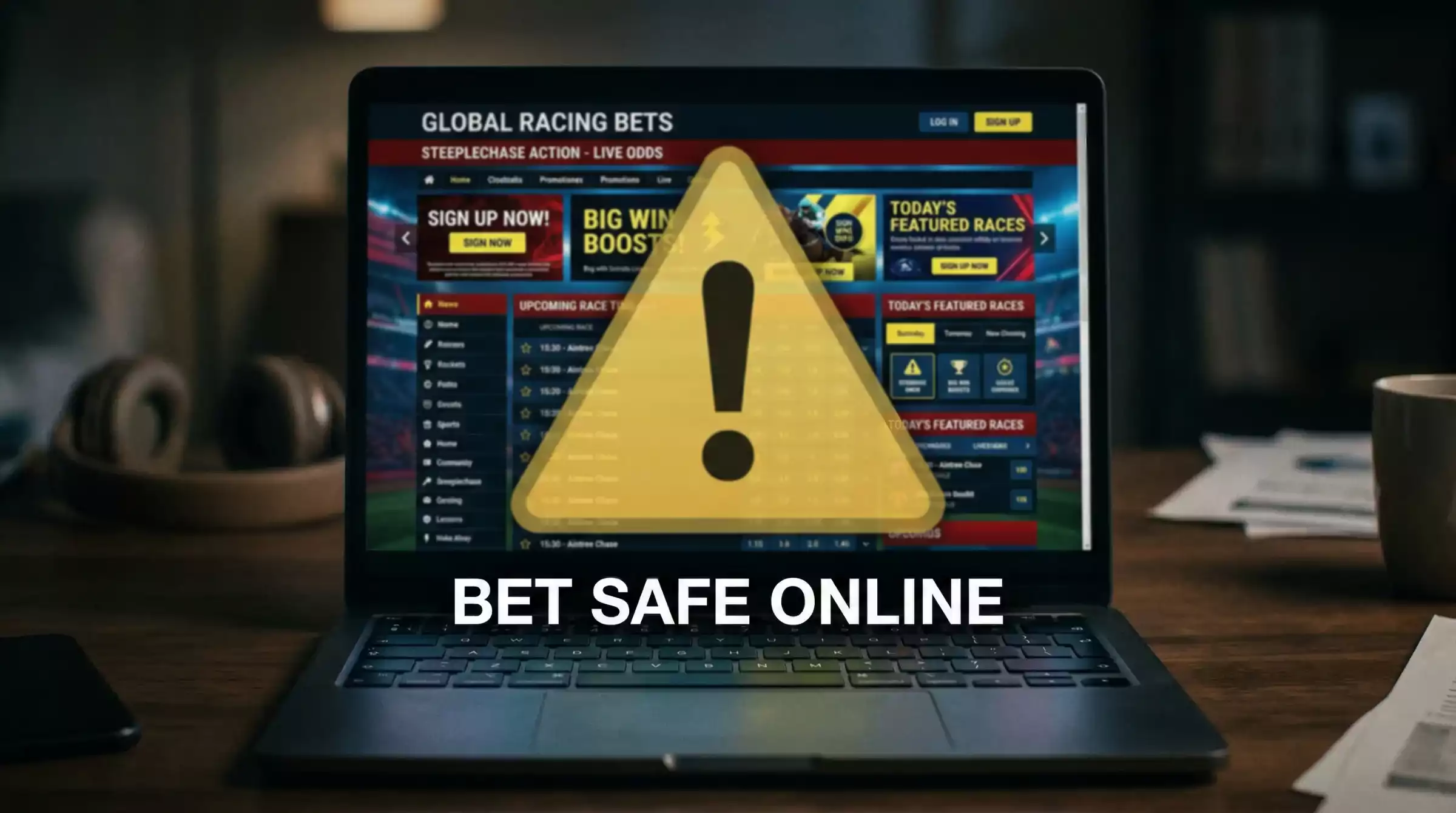
Somewhere in the region of £10 million was staked illegally on the 2025 Grand National through unlicensed operators, according to estimates from the Betting and Gaming Council. That figure sits within a much larger problem: the UK’s gambling black market is now worth an estimated £4.3 billion annually, serving approximately 1.5 million players who bet outside the regulated system. For Grand National punters, the distinction between a licensed and an unlicensed operator is not academic. It determines whether your winnings will actually be paid, whether your personal data is protected, and whether your betting activity supports British racing or fuels an offshore industry that contributes nothing to the sport, the Treasury, or player safety. Grand National Betting and the Black Market — More on this topic at grand national place a bet.
Know who you are betting with. That single principle eliminates virtually all of the risk the black market presents.
The Scale of the Problem
A 2024 report by Frontier Economics, commissioned by the Betting and Gaming Council, estimated the UK gambling black market at £4.3 billion per year. That figure encompasses unlicensed offshore betting websites, social media-based gambling operations run through WhatsApp and Telegram, and unregulated prediction markets that function as de facto betting platforms.
The scale has grown significantly in recent years. One in five bettors aged 18 to 24 already gambles with unregulated operators, according to the same report. The growth coincides with the introduction of affordability checks and enhanced customer due diligence by licensed operators — measures designed to protect vulnerable customers but which have, as an unintended consequence, pushed some bettors toward unregulated alternatives where no such checks exist.
The International Federation of Horseracing Authorities documented this migration in stark terms. Its February 2025 bulletin reported that unique visitor traffic to 22 unlicensed websites taking bets on British horse racing grew by 522% between August 2021 and September 2024. Over the same period, traffic to 10 major licensed sites grew by just 49%. The gap is widening, and the Grand National — as the single highest-profile betting event in British racing — is a flashpoint for that divergence.
The Grand National Specifically
The Grand National concentrates the black market’s impact into a single raceday. The BGC estimated that £9.4 million of the £250 million wagered on the 2025 Grand National went to unlicensed operators — approximately 3.8% of the total. That money generates no tax revenue, no betting levy for racing, and no regulatory oversight of the customer’s experience.
For the punter using an unlicensed site, the immediate risk is straightforward: there is no guarantee of payout. A Gambling Commission-licensed operator is required by law to hold sufficient funds to cover customer balances and to segregate those funds from operating capital. An unlicensed operator is subject to no such requirement. If the site closes, restricts your account, or simply refuses to pay a winning bet, you have no recourse through the Gambling Commission, no access to the Alternative Dispute Resolution process, and no legal standing under UK gambling law.
The secondary risk is data exposure. Licensed operators are bound by UK data protection regulations and must handle your personal and financial information in accordance with GDPR. Unlicensed operators, often based in jurisdictions with minimal regulatory oversight, are not. Your name, address, date of birth, and payment details — the information required to open any betting account — are handled under whatever privacy standards the operator chooses to apply, which may be none at all.
How to Check Whether an Operator Is Licensed
The Gambling Commission maintains a public register of every operator licensed to offer gambling services to customers in Great Britain. The register is searchable by company name, licence number, or trading name and is available on the Gambling Commission’s website. If an operator does not appear on the register, it is not licensed to serve British customers, regardless of what its own website claims.
Licensed operators are required to display their licence number and a link to the Gambling Commission on their website and in their app. The licence information is typically found in the footer of the homepage or in the legal information section. If you cannot find it, that is itself a warning sign. Legitimate operators display their regulatory credentials prominently — it is a competitive advantage, not a compliance burden they hide.
GamStop registration is another indicator. All UK-licensed operators participate in the GamStop self-exclusion scheme. If a site does not support GamStop, it is not licensed by the Gambling Commission. This is a binary test: there are no exceptions and no opt-outs for licensed operators.
Payment methods provide a further clue. Licensed UK bookmakers accept UK debit cards and are subject to card-processing regulations that include identity verification and anti-money-laundering checks. Unlicensed sites frequently push cryptocurrency deposits, pre-paid cards, or peer-to-peer payment methods that circumvent standard financial safeguards. If a betting site actively steers you away from a debit card deposit toward an unregulated payment channel, treat that as a red flag.
For the Grand National specifically, any bookmaker that appears in the mainstream UK market — the household names you see advertised during ITV’s racing coverage — is licensed and regulated. The risk lies with lesser-known sites that appear in search results, social media advertisements, or WhatsApp group recommendations, particularly those offering implausibly generous odds or no-deposit bonuses that established operators do not match.
Why It Matters Beyond Your Individual Bet
BGC chief executive Grainne Hurst put the issue in direct terms ahead of the 2025 Grand National: “Almost £10 million will be staked illegally on the unsafe, growing gambling black market at this year’s Grand National, fuelling crime, undermining player protection measures, while sucking vital cash from sport and the Treasury.”
The economic chain is real. A bet placed with a licensed operator generates approximately 21% in remote gambling duty for the Treasury, 10% of GGY as betting levy for racing, and compliance with player protection standards enforced by the Gambling Commission. A bet placed with an unlicensed operator generates none of those things. The operator pays no UK tax, contributes nothing to racing, and is accountable to no British regulator. See also The Economics of Grand National Day.
For a race that generates an estimated £3 million in tax revenue and £2 million in levy income from a single afternoon, the diversion of even a small percentage of wagers to the black market has tangible consequences. Those consequences do not affect your individual bet in isolation. But they affect the sport you are betting on, the regulatory system that protects you, and the fiscal contribution that justifies the government’s tolerance of a legal gambling market in the first place. Betting with a licensed operator is the minimum requirement for participating in that system responsibly.
